5 Botanical Infusions to Elevate Your Cold Brew
Summer is in full swing, and we are all craving the perfect iced coffee. However, your daily cold brew can sometimes feel a bit repetitive. As a coffee lover who frequents unique spots like Austin’s Desnudo Coffee instead of Starbucks, I constantly seek out new flavor experiences. If you want true flavor innovation at home, botanical infusions are the answer. These creative additions transform standard summer drinks into vibrant masterpieces. By blending rich coffee notes with delicate flowers, you can easily brighten your morning routine. Today, we will explore how to craft the ultimate herbal infusion. Let’s dive into the best ways to upgrade your glass and build a cozy community!
Top 5 Botanical Infusions for Your Cold Brew
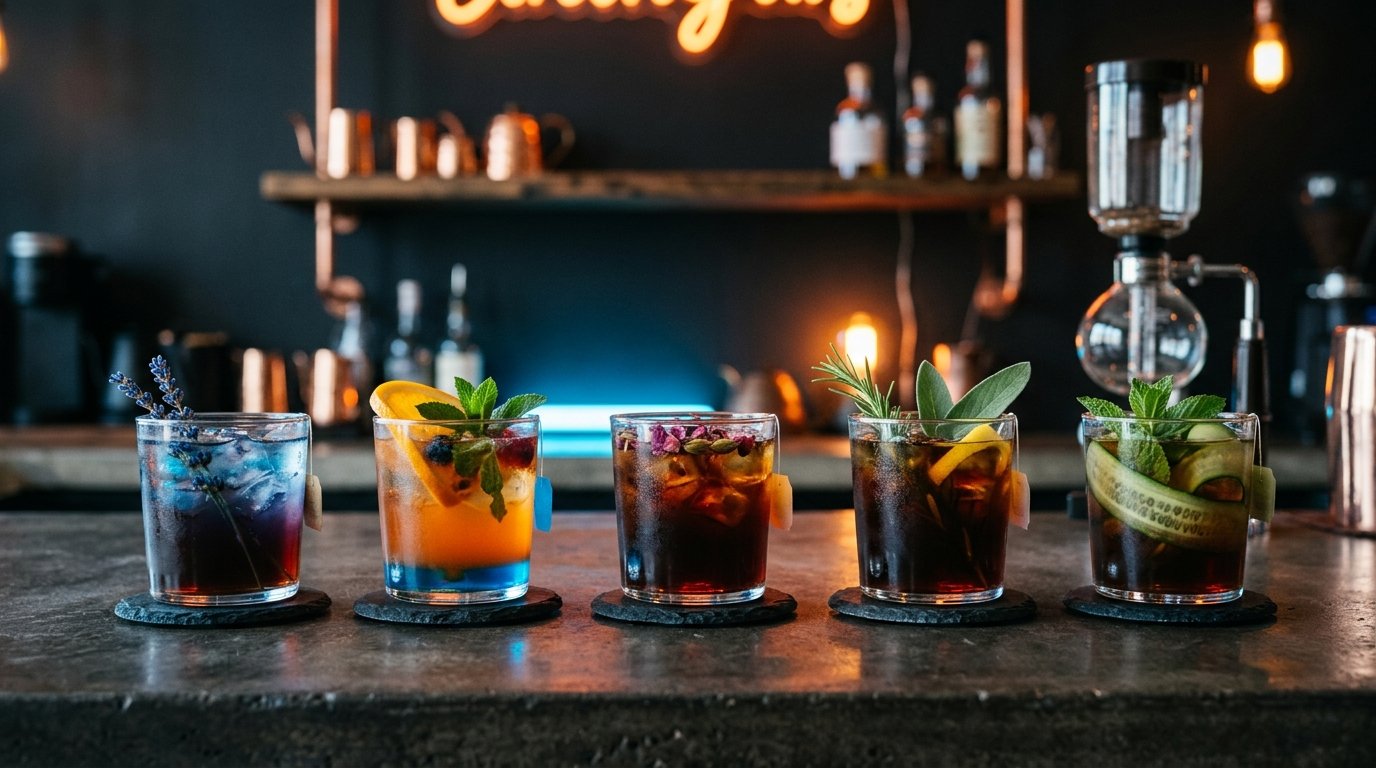
First, let’s explore the magic of floral and herbal pairings. When you match the right botanical infusions with your favorite beans, the results are simply spectacular.
1. Hibiscus Petals
Hibiscus tea is a fantastic companion to fruity, light-roast coffees. According to a recent 2026 guide, hibiscus tea supports healthy digestion. Furthermore, it provides excellent draining effects when enjoyed as a cold-brewed beverage. The tart, cranberry-like flavor perfectly balances the natural sweetness of your coffee.
2. Lavender Blossoms
Next on our list is lavender. This fragrant flower adds a calming, aromatic quality to your morning cup. Because lavender is quite potent, you only need a small pinch. Consequently, it creates a soothing herbal infusion that pairs beautifully with creamy oat milk.
3. Fresh Mint Leaves
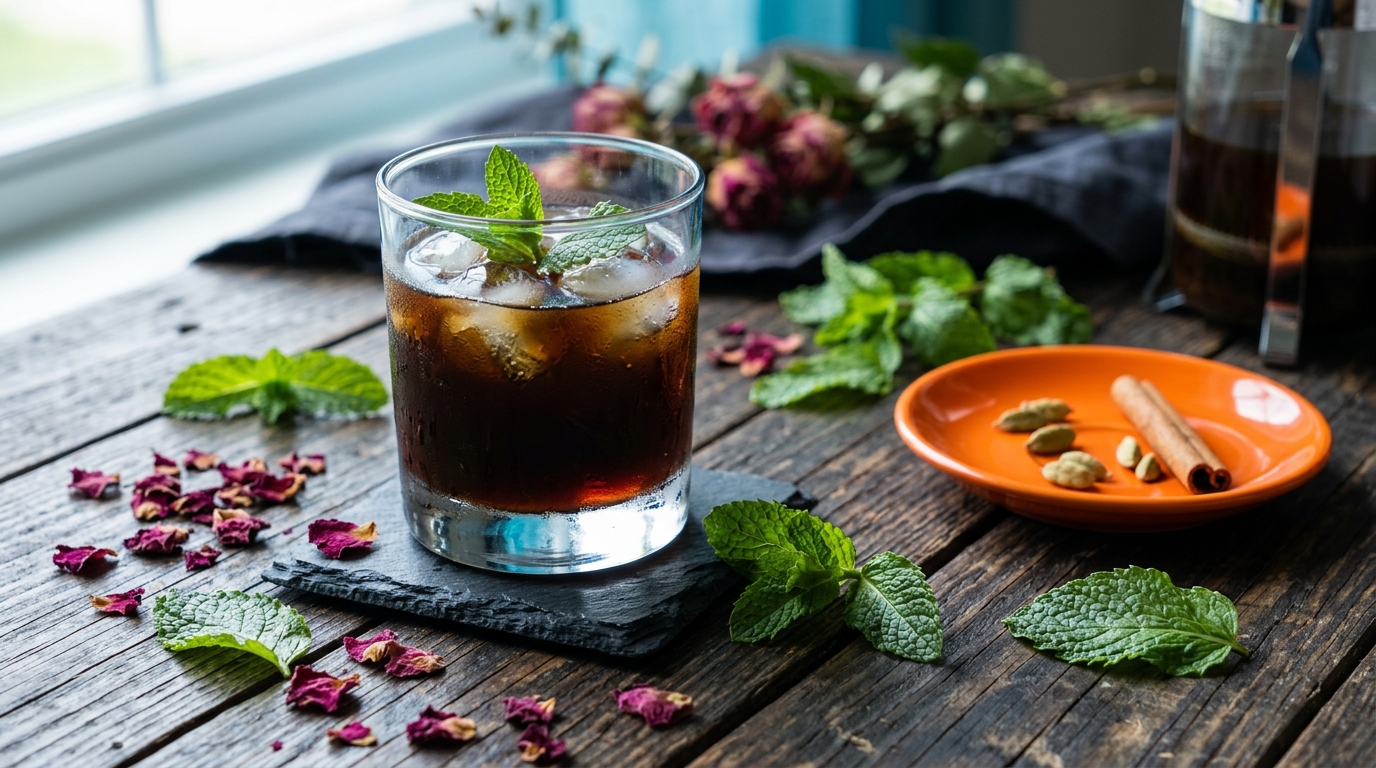
Mint is a classic choice for refreshing summer drinks. By muddling a few fresh leaves into your brewing vessel, you add a crisp sensation. Therefore, it is the ideal botanical companion for dark, chocolatey roasts.
4. Dried Rose Petals
For a touch of elegance, consider adding dried rose petals. They impart a soft, sweet aroma that elevates the entire drinking experience. As a result, your homemade cold brew will rival the finest artisanal cafes in Seattle.
5. Lemongrass
Finally, lemongrass offers a zesty, citrusy kick. This bright herb cuts through the heavy body of a cold brew. In addition, it brings a vibrant, tropical flair to your glass. Thus, every sip feels like a mini vacation.
Mastering Steeping Techniques
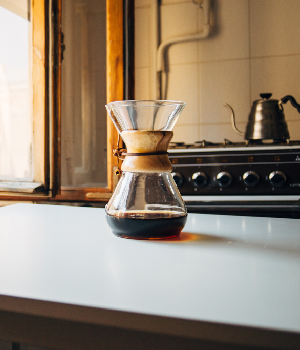
To achieve the best flavor, you must understand proper steeping techniques. A true cold infusion involves steeping plants, herbs, or fruits in cold water. For the best results, you must wait for at least 24 hours. This slow process gently extracts flavors without heat alteration.
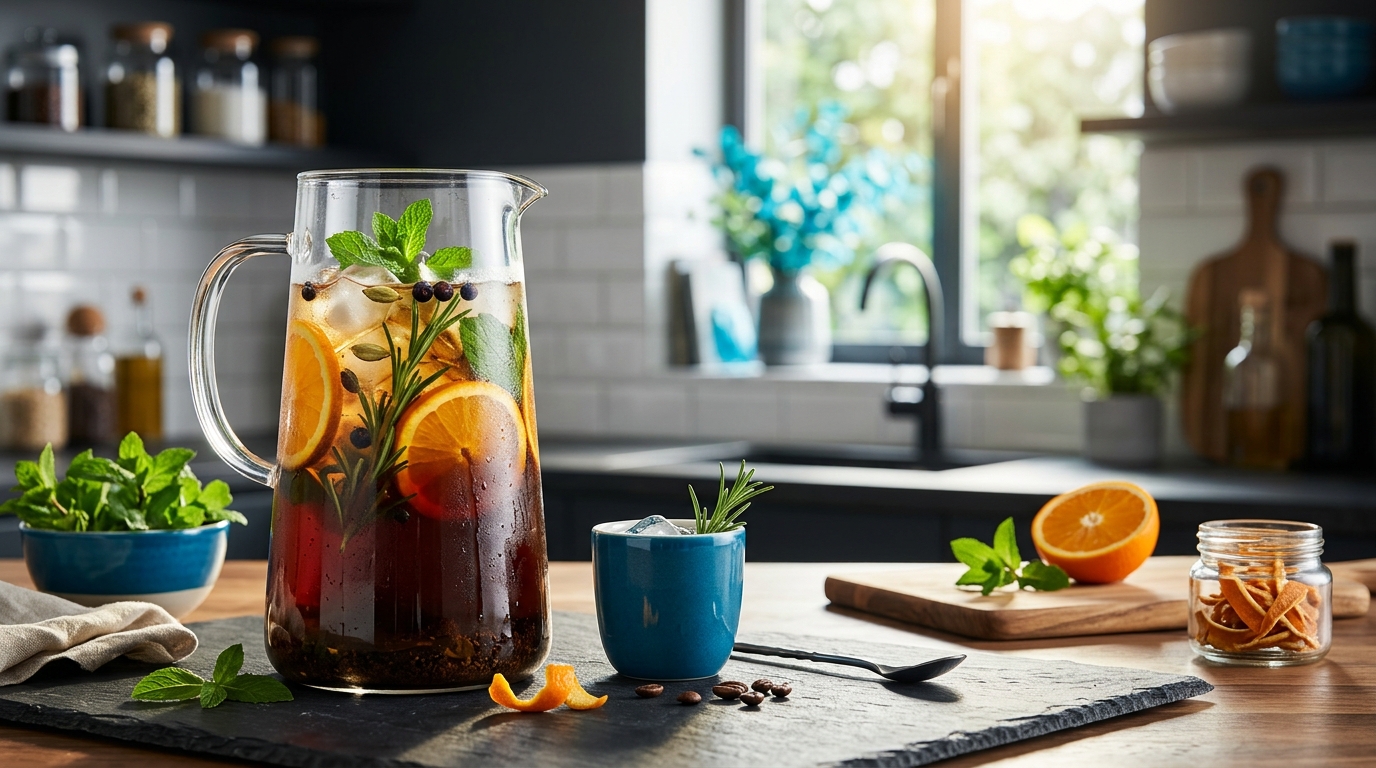
Unlike traditional hot brewing methods, cold infusion offers significant health advantages. Specifically, it excels at nutrient preservation. By avoiding high temperatures, you protect heat-sensitive vitamins and minerals naturally found in plants. Therefore, your daily cup becomes both delicious and nutritious.
Here is a quick checklist for a perfect steep:
- Always use freshly filtered cold water.
- Steep the mixture for a minimum of 24 hours.
- Keep your brewing vessel refrigerated to maintain freshness.
Extracting Delicate Flavors
Cold infusion techniques are highly ideal for extracting delicate flavors from flowers and herbs. Infusing botanicals into spirits typically involves steeping ingredients for days or even weeks. Although bartenders use heat or sous vide to accelerate botanical cocktails, coffee requires patience. Slow, cold steeping ensures your floral notes remain bright and never bitter.
The Rise of Artisanal Beverages
The demand for unique artisanal beverages continues to skyrocket across the globe. As of 2026, industry reports show a massive shift toward natural ingredients. In fact, a 2025 consumer survey revealed fascinating new data. It showed that 68% of coffee enthusiasts prefer plant-based additives over artificial syrups.
Furthermore, the botanical ingredients market is expanding rapidly. Experts project this sector will grow by 12% annually through 2028. This growth highlights a clear desire for healthier, more complex flavor profiles. Consequently, home brewers are increasingly adopting techniques from modern mixologists. By borrowing ideas from botanical cocktails, coffee lovers are pushing boundaries. Ultimately, these statistics prove that floral coffees are a permanent staple.
Visual Appeal: Ice Embellishments
Presentation matters just as much as taste. One stunning way to elevate your drink is through ice embellishments. Freezing botanicals inside ice cubes or spheres acts as a slow-release flavor mechanism. Additionally, it dramatically enhances beverage presentation.
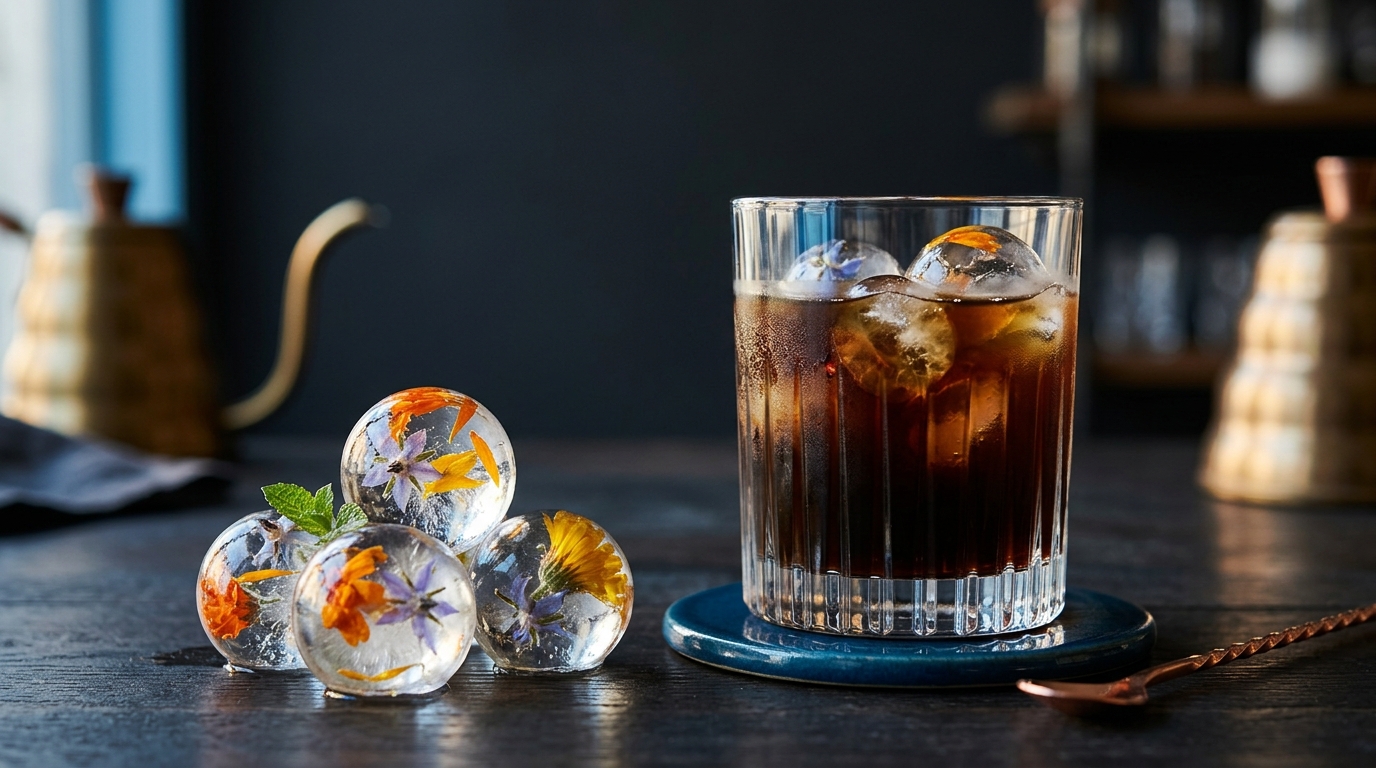
Imagine serving a rich, dark coffee poured over crystal-clear ice spheres. These spheres can contain bright pink petals or fresh green leaves. As the ice slowly melts, it gently releases extra layers of flavor. Therefore, this simple trick turns an ordinary beverage into a visual masterpiece.
Conclusion
In summary, upgrading your daily coffee routine is easier than you might think. By experimenting with botanical infusions, you can completely transform your summer drinks. Whether you choose the tartness of hibiscus tea or calming lavender, possibilities are endless. Moreover, utilizing proper cold infusion methods ensures maximum nutrient preservation and flavor clarity. We encourage you to try these simple additions tomorrow morning. Share your favorite creations with our cozy coffee community online. Keep exploring new ways to brew, and enjoy every sip!
How long should a cold infusion steep?
For optimal results, a cold infusion should steep for at least 24 hours. This duration ensures full flavor extraction while maintaining excellent nutrient preservation.
Can I use botanical infusions in hot coffee?
Yes, you certainly can. However, cold steeping is generally better for delicate flowers. High heat can destroy heat-sensitive vitamins and alter subtle flavor notes.
What are the benefits of hibiscus tea in cold brew?
Hibiscus tea naturally supports healthy digestion. Additionally, it is known for its beneficial draining effects. This makes it perfect when consumed as a refreshing, cold-brewed summer beverage.