Japanese Iced Coffee: Why Flash Brew Beats Cold Brew
Hello, fellow coffee lovers! Summer days call for a refreshing cup of iced coffee. However, not all chilled brews are created equal. If you want to elevate your daily coffee experience, you need to meet Japanese iced coffee. Also known as flash brew, this method is truly a game-changer.
For years, cold brew has ruled the summer menus. Yet, it often leaves much to be desired in the flavor department. Therefore, we are diving into why flash brew beats cold brew every single time. By brewing hot and cooling instantly, you lock in vibrant flavors. Furthermore, this method respects the beautiful beans you worked so hard to source.
Grab your favorite mug, and let us explore the magic of instant chilling. You will quickly see why this method is the ultimate summer treat.
The Science of Hot Extraction
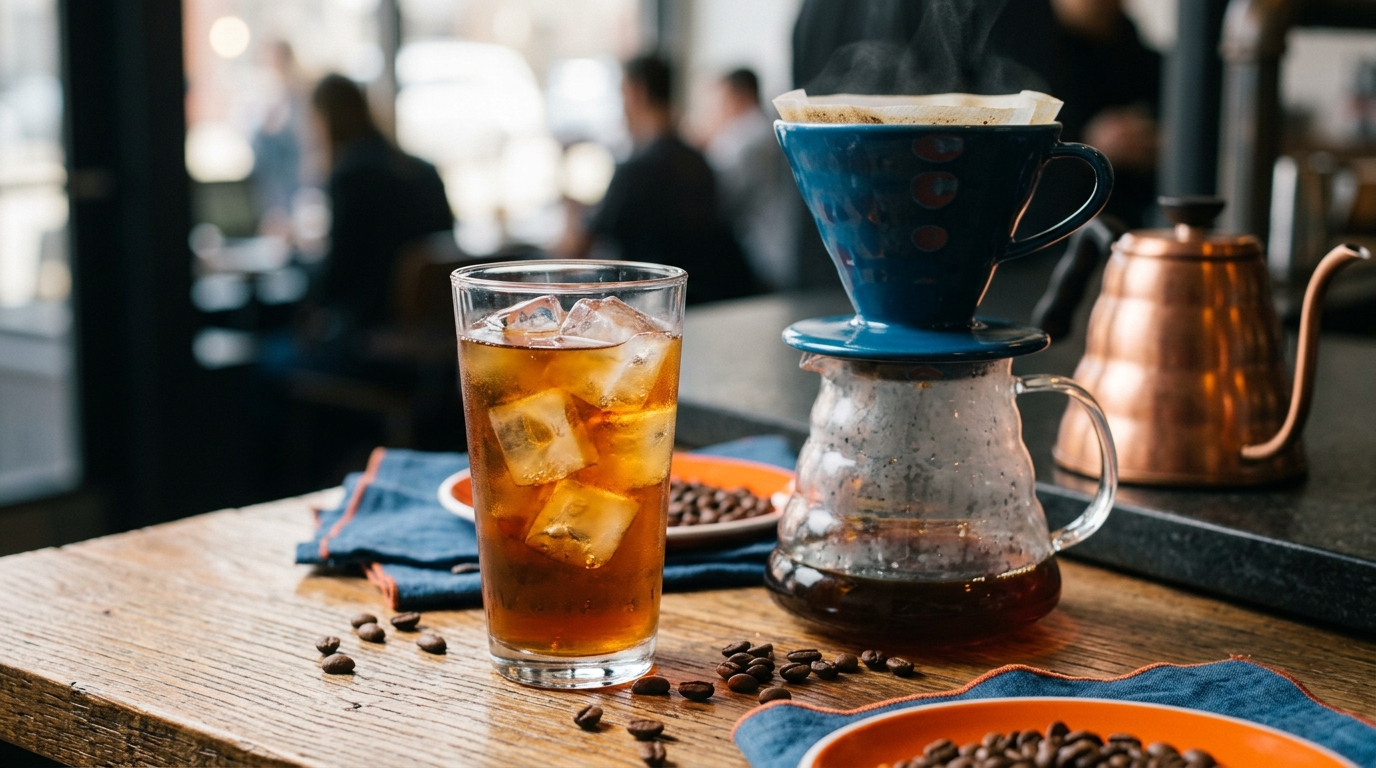
Brewing coffee is a beautiful science experiment. First, you must understand that hot water is an incredible solvent. Hot extraction pulls out the complex flavors hidden inside your carefully sourced beans. When you use hot water, you dissolve the delicate organic acids that give coffee its character.
For instance, think about a beautiful washed Ethiopian coffee. The hot water easily extracts its bright citric acidity. Similarly, a Kenyan bean reveals a stunning malic brightness when brewed hot. According to a 2026 report by JayArr Coffee, hot extraction preserves the full acid and aromatic profile of the bean.
Consequently, specialty cafés serving single-origin light roasts almost universally prefer flash brew over cold brew. They know that hot water is essential to preserve delicate origin-based complexities. Without heat, those beautiful notes simply stay locked inside the grounds.
Why Bean Quality Matters
Of course, the best brewing method requires the best coffee beans. Therefore, you should always look for freshly roasted, high-quality beans. Identifying good ones is a fun journey. Here is what you should look for:
- Source carefully: Look for transparent origin details on the bag.
- Roast light: Light roast profiles highlight the bean’s natural terroir.
- Grind fresh: Always grind your beans right before you brew.
Once you find that perfect single-origin, you want to taste every nuance. Flash brewing ensures you do not miss a single drop of that hard-earned flavor.
Where Cold Brew Falls Short
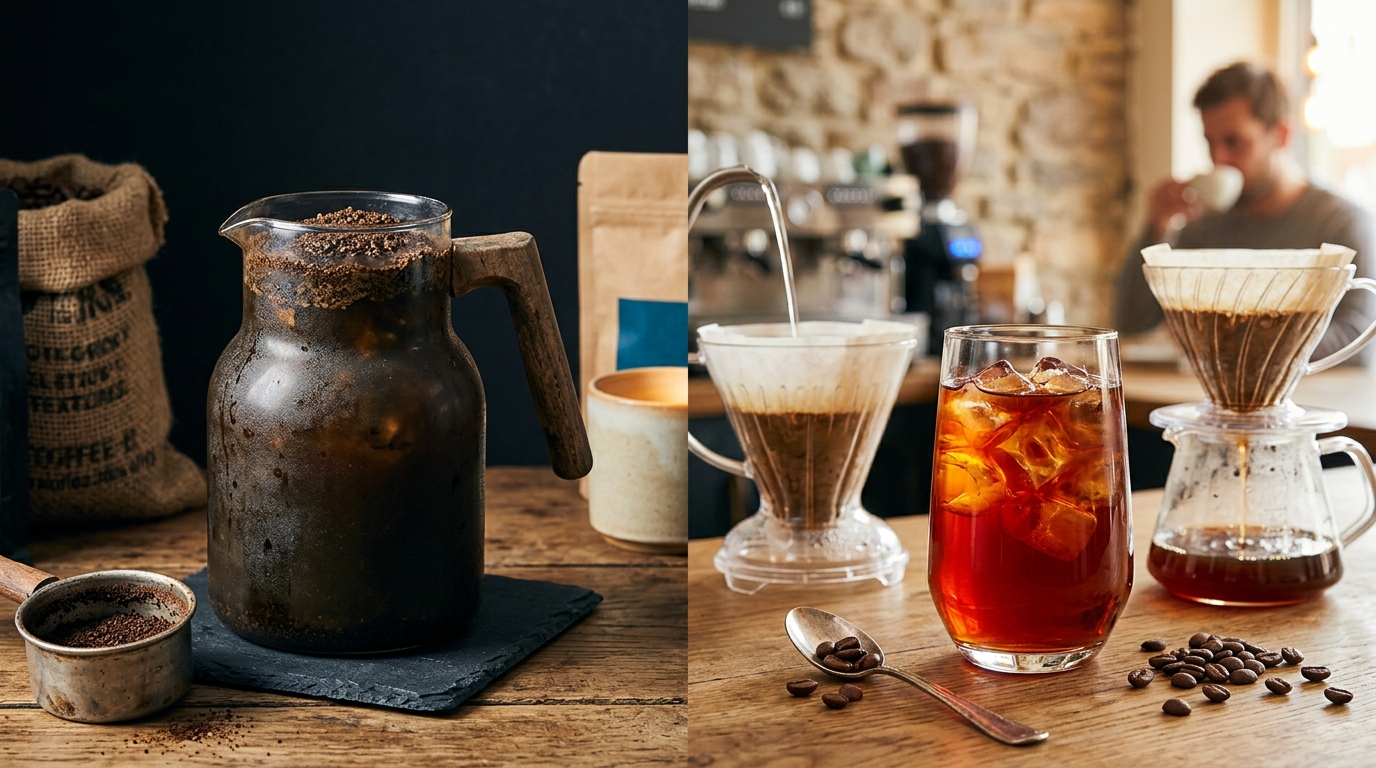
Now, let us talk about cold brew. While it is certainly smooth, it often lacks excitement. Because it uses cold water, it leaves many vibrant flavors behind. Instead, you get a heavy, chocolatey profile that can taste quite flat.
Furthermore, cold brew takes a massive amount of time. Traditional cold brew requires 12 to 18 hours of extraction. On the other hand, Japanese iced coffee takes only 5 minutes to prepare. Therefore, flash brew is much more convenient for your busy daily routine.
Additionally, cold brew has some hidden drawbacks. Once you dilute ready-to-drink cold brew, it should be consumed quickly. In fact, a 2025 study from JayArr Coffee notes it must be consumed within 2 to 3 days. Otherwise, you risk rapid microbial activity and flavor degradation.
Ultimately, cold brew mutes the very flavors we love in specialty coffee. Therefore, if you want a bright, complex cup, you must look elsewhere.
Extraction Yields and Volatiles
Let us look at the numbers behind the brew. Science clearly shows why Japanese iced coffee tastes superior. Specifically, it all comes down to volatile compounds. These compounds are responsible for the beautiful aromas in your cup.
According to 2026 data from JayArr Coffee, flash brew retains 25+ volatile compounds that cold brew suppresses. Because of this, bright citrus and floral notes become much more perceptible. Conversely, cold water simply cannot dissolve these delicate compounds.
Moreover, extraction yields are significantly higher with heat. When you brew hot, you pull out a wider spectrum of flavors. Therefore, the resulting cup is much more dynamic. You get the sweet, the sour, and the aromatic, all in perfect harmony.
Comparing the Two Methods
For a quick overview, here is a handy breakdown. This table highlights the main differences between our two contenders.
| Feature | Japanese Iced Coffee (Flash Brew) | Cold Brew |
|---|---|---|
| Brewing Time | 5 minutes | 12 to 18 hours |
| Water Temp | Hot (around 200°F) | Cold or Room Temp |
| Flavor Profile | Bright, acidic, complex | Smooth, heavy, flat |
| Shelf Life (Diluted) | Drink immediately | 2 to 3 days max |
The Instant Chilling Process
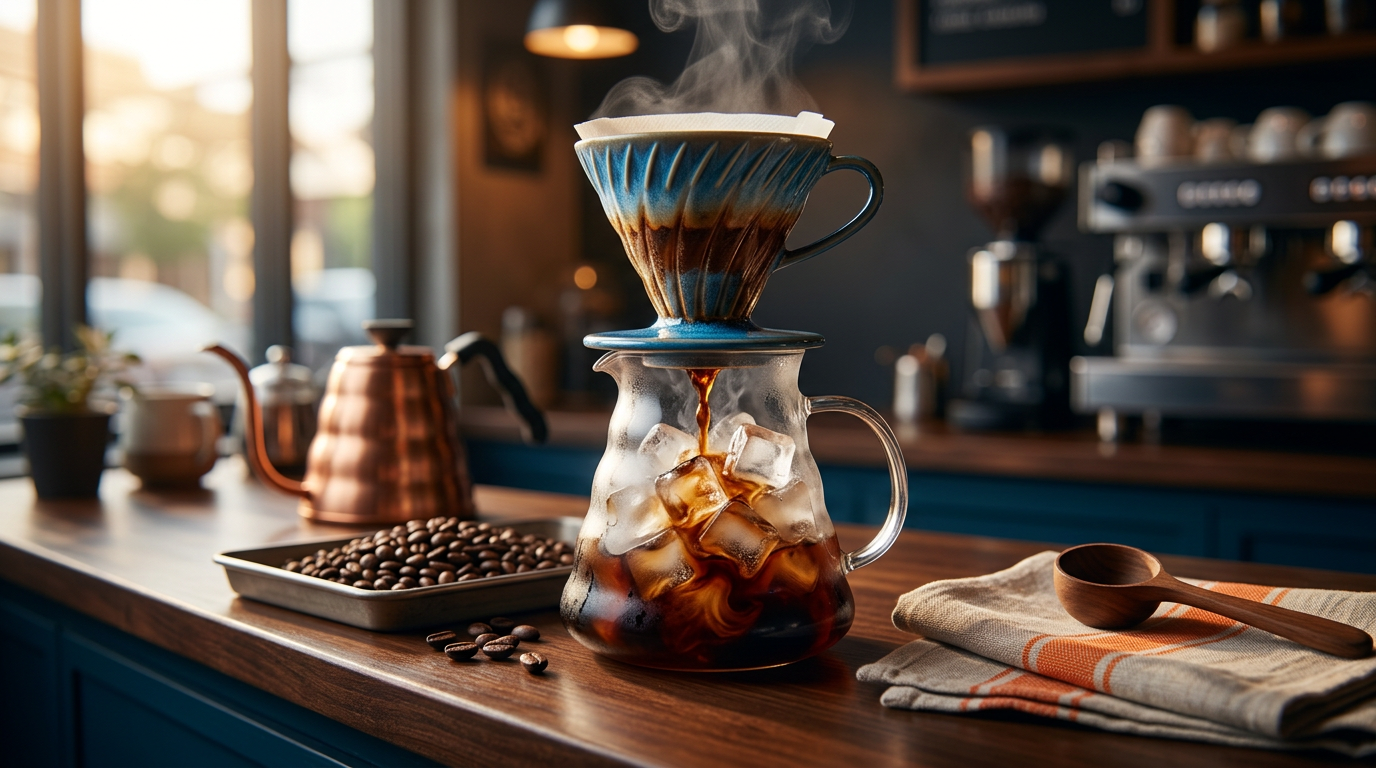
Visualizing the flash brew process helps you master it at home. First, you set up your favorite pour-over device. However, you place it directly over a carafe filled with ice.
Crucially, the ice is weighed and counted as part of the total water volume. This step ensures instant chilling without over-dilution. For example, if your recipe calls for 300 grams of water, you might use 150 grams of hot water and 150 grams of ice.
As the hot coffee drips down, it hits the ice immediately. Consequently, the rapid drop in temperature locks in those precious volatile compounds. This instant chilling is the secret to a perfect glass of Japanese iced coffee.

Conclusion
In the end, Japanese iced coffee offers a vastly superior drinking experience. By utilizing hot extraction, you capture the beautiful, complex notes of your favorite beans. Furthermore, the instant chilling process locks those flavors in perfectly.
While cold brew has its place, it simply cannot compete with the vibrant, floral notes of a flash brew. Plus, making a cup takes only five minutes! Therefore, it is the perfect addition to your summer morning routine.
I hope this guide inspires you to try flash brewing at home. Grab some incredible single-origin beans, weigh your ice, and taste the difference. Happy brewing, my friends!
Frequently Asked Questions
What kind of beans are best for Japanese iced coffee?
Generally, a single-origin light roast works beautifully. Because flash brew highlights bright flavors, beans with high citric acidity or floral notes really shine. African coffees, like those from Ethiopia or Kenya, are always excellent choices.
Can I use any pour-over brewer for this method?
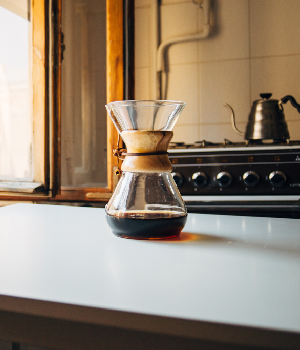
Yes, absolutely! You can use a V60, a Chemex, or a Kalita Wave. The most important factor is adjusting your recipe so the ice is counted as part of the total water volume.
Does flash brew taste watered down?
Not at all! Because you replace a portion of the hot brewing water with ice, the total liquid volume remains exactly the same. Therefore, it chills instantly without over-dilution.
Why does cold brew go bad so quickly once diluted?
According to experts in 2026, diluted ready-to-drink cold brew should be consumed within 2 to 3 days. This timeline prevents rapid microbial activity and flavor degradation, keeping your coffee safe and tasty.