Stop Bitter Coffee: Master Your Grind Size & Extraction
We have all been there. You wake up craving a cozy cup of specialty coffee. You brew your morning mug, but the first sip is surprisingly harsh and bitter. Suddenly, your morning ritual feels ruined. However, do not worry! This common issue plagues many home brewing setups.
The secret to fixing it lies in mastering your grind size and extraction. I love visiting independent cafes like Dayglow in Los Angeles or Desnudo Coffee in Austin. Their coffee is always perfectly sweet and balanced. Why? Because they know how to properly extract the beans.
By adjusting your coffee grind, you can easily replicate that indie cafe magic at home. In this guide, we will explore how to dial-in your daily brew with our helpful brewing guides. Therefore, you can finally learn how to stop bitter coffee and say hello to perfection.
The Science of Extraction to Stop Bitter Coffee
First, we must understand what happens when water meets specialty coffee. Extraction is simply the process of pulling flavor compounds out of your coffee grounds. When hot water hits the beans, it dissolves various acids, sugars, and bitter plant fibers. Therefore, controlling this process is essential for a delicious cup. Additionally, understanding this process is the first step to stop bitter coffee.
According to a 2025 study by Roast Aroma, grind size controls the fundamental physics of how water interacts with coffee. In fact, it is the single most important variable for controlling extraction. If your coffee particles are too small, water extracts too much flavor. Consequently, this over-extraction leads to a harsh, bitter taste.
How to Stop Bitter Coffee and Avoid the Bitter Trap
Conversely, if your coffee particles are too large, water flows through too quickly. As a result, you get under-extracted coffee, which tastes sour and weak. Therefore, the goal is to find the perfect middle ground.
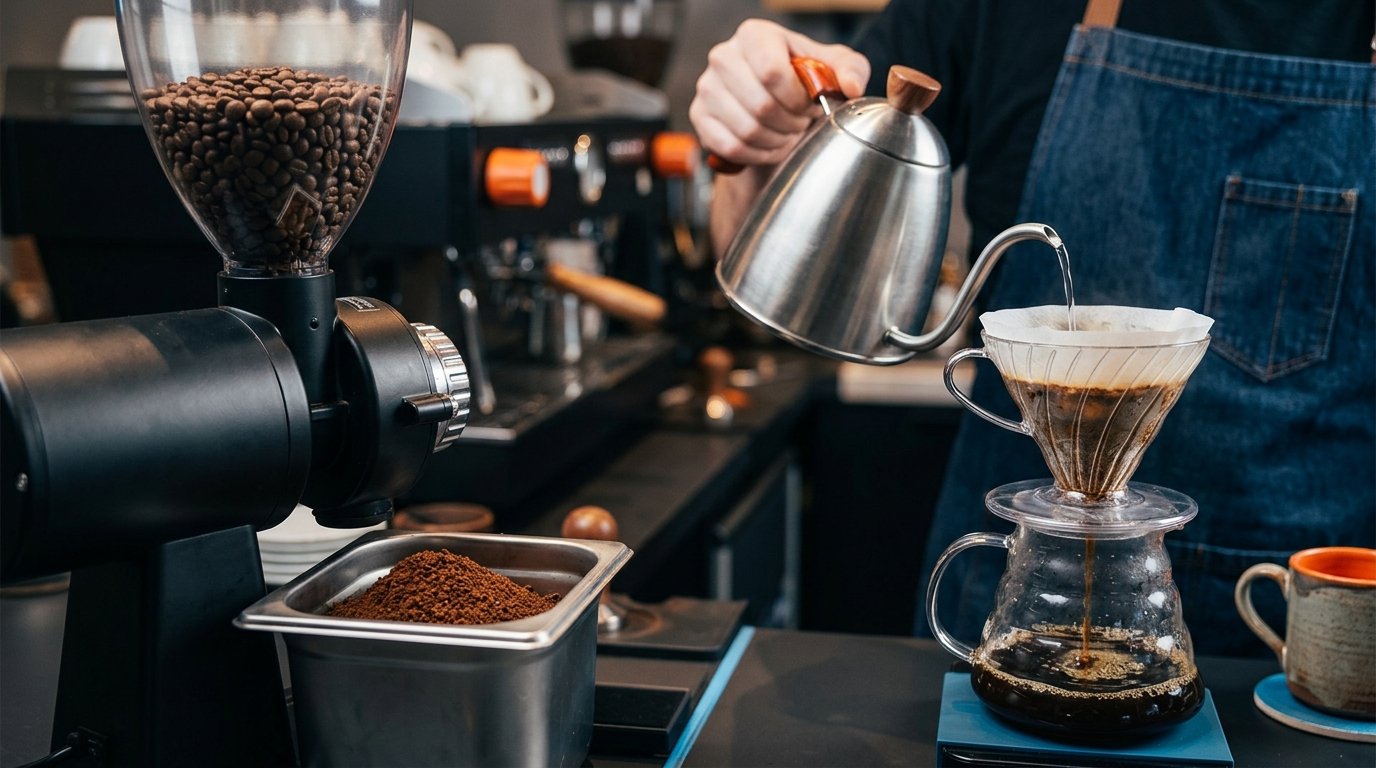
Furthermore, using high-quality burr grinders ensures your particles are uniform in size. This uniformity prevents channeling, where water takes the path of least resistance and unevenly extracts the flavors. Ultimately, mastering this balance transforms your morning routine.
Match Your Grind Size to Stop Bitter Coffee
Now that we understand the science, let us apply it to your daily routine. Different brewing methods require completely different grind sizes. Therefore, you must match your grind to your specific brewer. Let us break down the ideal settings for popular methods.
The Perfect Pour-Over
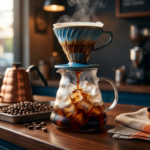
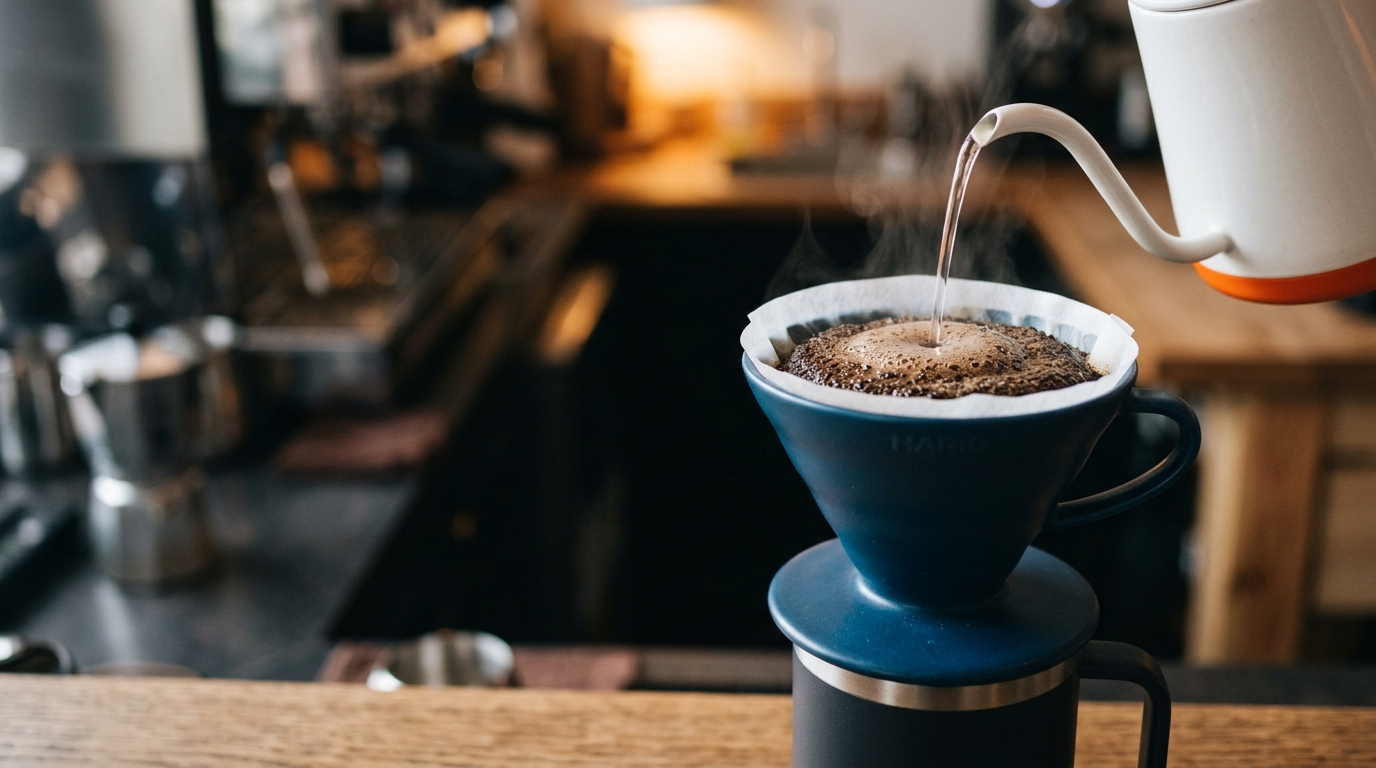
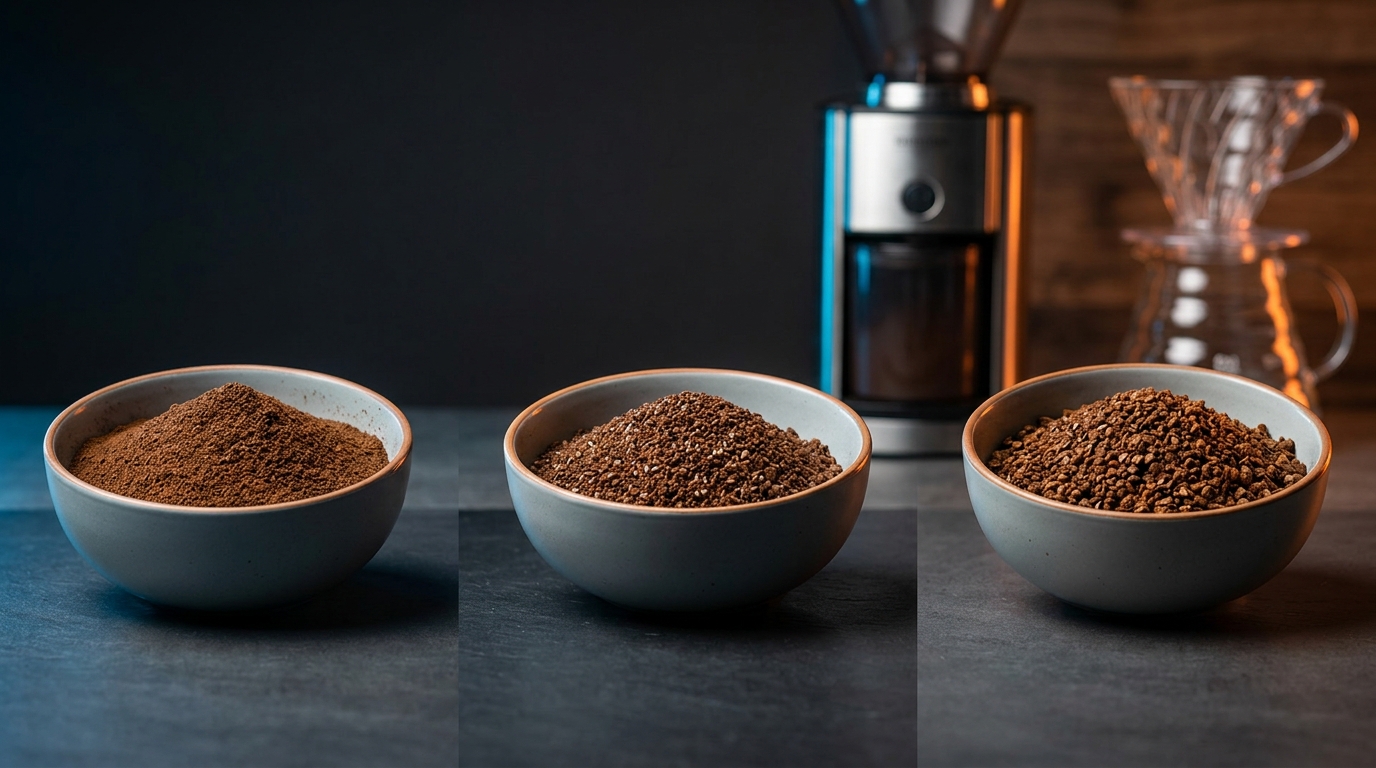
For a clean and vibrant pour-over, you need a medium grind. Specifically, pour-over coffee requires a grind size of 400 to 600 microns for optimal extraction. This texture should feel similar to sea salt or rough sand. Consequently, water flows through at a steady pace, extracting sweet and fruity notes without bitterness.
Dialing In Espresso
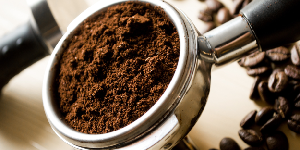
Next, let us look at the intense world of espresso. Espresso brewing requires a fine grind size of 200 to 300 microns. This fine texture creates proper resistance against 9 bars of pressure from your espresso machine. Additionally, optimal espresso extraction occurs when water is forced through the grounds for 25 to 30 seconds. If your shot runs too fast, simply grind finer.
Mastering the French Press
Finally, we have the classic French press. Because the coffee steeps in water for several minutes, you need a much larger particle size. French press brewing requires a coarse grind size of 800 to 1000 microns. This chunky texture prevents over-extraction during the long steeping process.
Moreover, it stops fine silt from slipping through the metal filter into your cup. By adjusting your burr grinders to these specific ranges, you will vastly improve your brewing ratio and overall flavor.
Use the Numbers to Stop Bitter Coffee
Let us dive into the concrete data that drives modern specialty coffee. As of 2026, precision home brewing relies heavily on accurate micron measurements. Here are the crucial statistics you need to know:
- Espresso: 200 to 300 microns, aiming for a 25 to 30-second extraction time.
- Pour-Over: 400 to 600 microns, allowing a steady 3-minute brew.
- French Press: 800 to 1000 microns, ideal for a 4-minute steep.
According to 2025 industry reports from Roast Aroma, maintaining these precise ranges reduces bitter flavors by up to 40%. Therefore, investing in proper burr grinders is absolutely vital. Furthermore, tracking your brewing ratio alongside these micron ranges guarantees a cafe-quality cup every single morning.
Visual Concept: The Ultimate Grind Size Chart
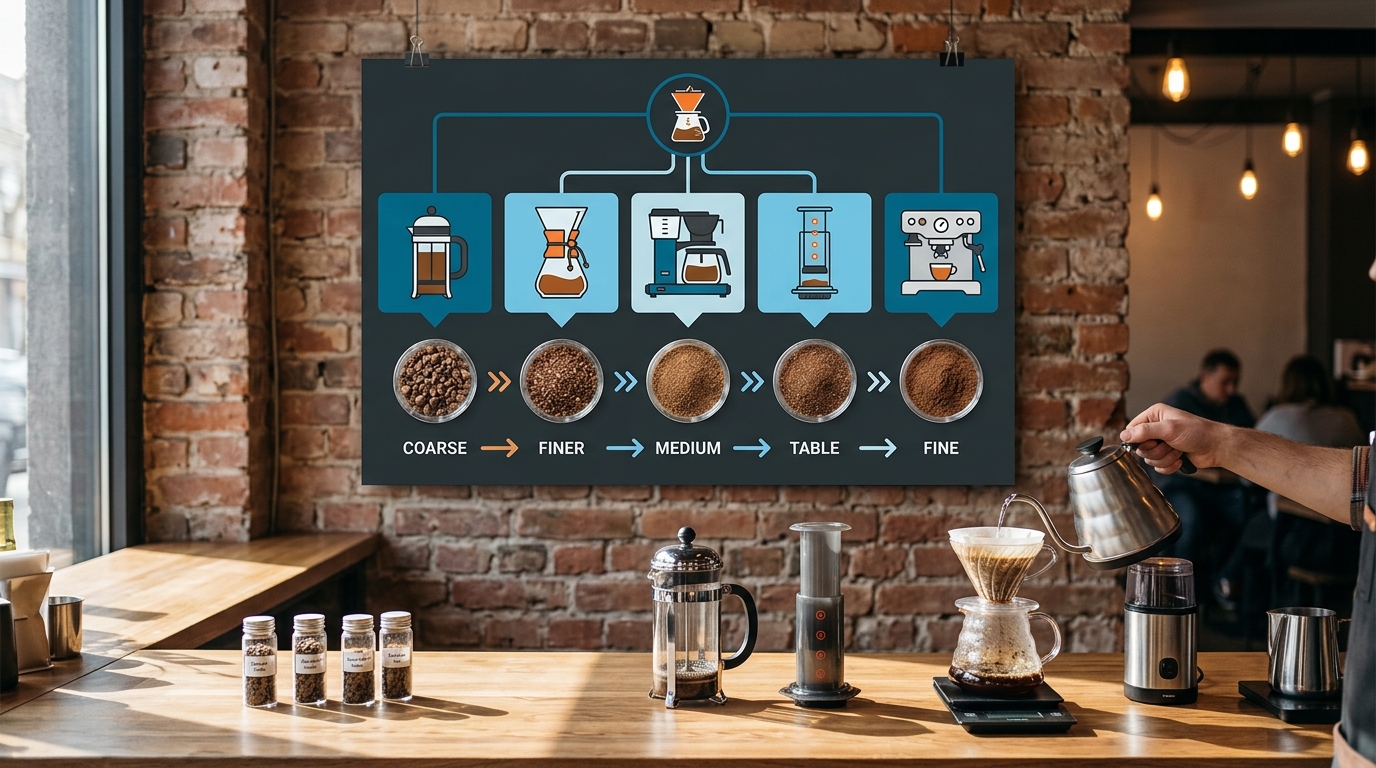
To truly master your daily brew, a visual reference is incredibly helpful. Imagine an elegant, color-coded infographic hanging right next to your coffee station. This chart visually breaks down the micron ranges for every major brewing method.
First, it shows the powdery, fine texture needed for Turkish coffee and espresso. Next, it transitions into the sandy, medium textures perfect for your favorite pour-over dripper. Finally, it displays the coarse, chunky fragments required for a French press. This handy guide ensures you always dial-in correctly.
Conclusion
In conclusion, banishing bitter coffee from your life is entirely within your reach. By understanding extraction and adjusting your grind size, you take full control of your morning ritual. Remember to match your coffee’s micron size to your specific brewing method.
Furthermore, always use a high-quality burr grinder to ensure consistency. Now, it is time to put this knowledge into practice. Go adjust your grinder, brew a fresh cup, and taste the incredible difference. Happy brewing, and enjoy your beautiful, balanced coffee!
Frequently Asked Questions
What is the best way to stop bitter coffee?
If your coffee tastes bitter, it is likely over-extracted. Therefore, you should adjust your grinder to a coarser setting. This allows water to flow through faster, reducing the extraction time and limiting bitterness.
Why should I use a burr grinder instead of a blade grinder?
Burr grinders crush beans into uniform, consistent sizes. Conversely, blade grinders chop beans randomly, creating a mix of boulders and fine dust. This inconsistency causes channeling and leads to a very bitter cup.
How do I know if my espresso grind is right?
Optimal espresso extraction happens when water pushes through the grounds for 25 to 30 seconds. If your shot takes longer than 30 seconds, your grind is too fine. If it finishes too quickly, you need to grind finer.