
The Science Behind Your Coffee Gut Microbiome
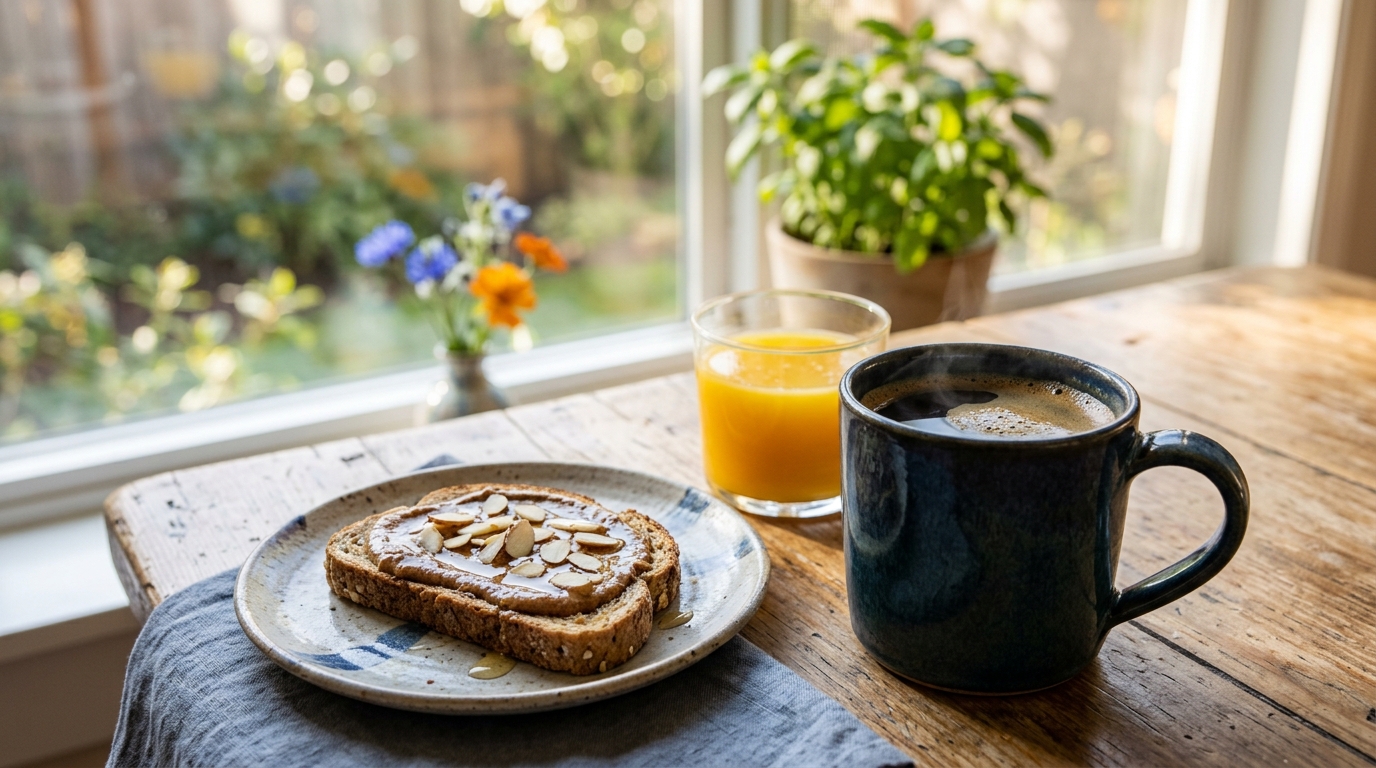
Welcome back, fellow coffee lovers! We all cherish that first morning sip. However, a lingering question often clouds our coffee joy. Does coffee damage your coffee gut microbiome? Many home brewers worry about this. They fear their beloved daily ritual harms their gastrointestinal health. Fortunately, the science tells a highly comforting story. In this article, we will uncover the scientific truth about coffee and your gut. We will explore how your favorite brew actually supports healthy bacteria. Additionally, you can read our complete guide to gut health to learn more. Furthermore, we will discuss the best times to drink coffee in the morning and afternoon. So, grab your favorite mug. Perhaps pair it with a wholesome morning snack like almond butter toast. Let us dive into the wonderful world of coffee and gut health together! Today, we blend our passion for brewing with essential wellness tips. Ultimately, your daily cup is much more than just a quick energy boost.
How Coffee, Caffeine, and Intestinal Motility Affect the Coffee Gut Microbiome
First, let us talk about how coffee gets things moving. You probably know that a morning cup often leads to a quick bathroom trip. This helpful process is known as intestinal motility. Interestingly, it is not just the caffeine doing the heavy lifting. Both caffeinated and decaffeinated coffee actively stimulate gut contractions.
According to a 2022 Medscape report, both coffee types stimulate ileal and colonic contractions in vitro. Consequently, this suggests the activation of muscarinic pathways independent of caffeine. Therefore, even if you switch to decaf for your afternoon coffee break, your gut still benefits. I highly recommend an afternoon decaf to avoid the dreaded afternoon crash anyway.
Furthermore, timing absolutely matters for your gastrointestinal health. Drinking coffee on an empty stomach first thing in the morning can feel harsh. Thus, I always recommend pairing your morning brew with a beautifully balanced snack. A warm slice of sourdough toast or a bowl of berry oatmeal works perfectly. This simple, delicious habit protects your sensitive stomach lining. Simultaneously, it keeps your digestion running smoothly throughout the entire day.
Ultimately, understanding your body’s rhythm helps you enjoy coffee safely. By choosing the right times to drink your coffee, you maximize the benefits. Next, we will explore exactly what happens to the bacteria living inside your digestive tract.
Polyphenols, Good Bacteria, and the Coffee Gut Microbiome
Now, let us look at the microscopic community living inside you. Your gut microbiome thrives on a diet rich in natural plant compounds. Thankfully, high-quality coffee is absolutely packed with polyphenols. These powerful antioxidants act as a massive feast for your good bacteria. Additionally, drinking high-quality coffee feeds your coffee gut microbiome with essential nutrients.
When you sip your carefully brewed pour-over, you are actually feeding your gut helpers. As these friendly bacteria digest coffee polyphenols, they produce highly beneficial metabolites. One of the most important of these metabolites is butyrate. Butyrate is a specialized short-chain fatty acid. It keeps your gut lining incredibly strong and healthy.
Recent research highlights a very specific, exciting connection here. According to a 2026 study in Nature Communications, habitual coffee consumption actively helps your gut. It is linked to higher levels of beneficial butyrate-producing gut bacteria. Specifically, scientists noted a significant increase in Lawsonibacter asaccharolyticus. Indeed, this specific bacteria loves your daily coffee habit just as much as you do!
Balancing Your Daily Intake
However, moderation remains the absolute key to everything we do. While a few cups are fantastic for your gut microbiome, excessive amounts can certainly cause trouble. For instance, a 2026 Medscape report notes a specific risk. Drinking over five cups daily increases your risk for gastroesophageal reflux disease (GERD). Furthermore, excessive consumption is linked to the progression of Crohn’s disease.
Therefore, to keep your gut happy, try sticking to two or three well-crafted cups a day. Enjoy a bright, robust Kenyan roast in the early morning. Then, perhaps switch to a gentle decaffeinated coffee in the late afternoon. Pair that afternoon cup with a handful of raw walnuts or dark chocolate. This delicious snack combo provides extra dietary fiber. Consequently, this fiber further supports those healthy polyphenols, ensuring your microbiome stays perfectly balanced.
Metabolic Pathways: What the Data Shows
Let us dive a little deeper into the fascinating brewing chemistry of our bodies. Coffee’s influence on the gut extends far beyond simple gastrointestinal motility. In fact, it actively alters the gut microbiota. This alteration has potential implications for gastrointestinal and metabolic health. This incredible insight comes directly from a comprehensive 2026 Medscape review.
When we drink coffee, our bodies break down its complex compounds into smaller parts. These tiny, highly active parts are called metabolites.
Here are a few proven ways coffee alters metabolic pathways:
- Hormone regulation: Coffee compounds actively help regulate essential digestive hormones.
- Enzyme activity: It significantly boosts the enzymes that break down your food efficiently.
- Inflammation reduction: The resulting metabolites actively soothe harmful inflammation in the digestive tract.
Ultimately, these compelling data points prove that coffee is not just a simple morning pick-me-up. Instead, it is a highly complex beverage that actively reshapes how our bodies process daily energy. By supporting healthy metabolic pathways, your daily brew actively contributes to your long-term wellness. Therefore, you can sip your favorite roast with complete confidence.
Visualizing the Microbiota-Gut-Brain Axis
To truly understand this biological magic, imagine a beautiful infographic illustrating the microbiota-gut-brain axis. Picture a golden, glowing line connecting a steaming coffee cup to a healthy stomach. Then, see that line traveling straight up to the brain.
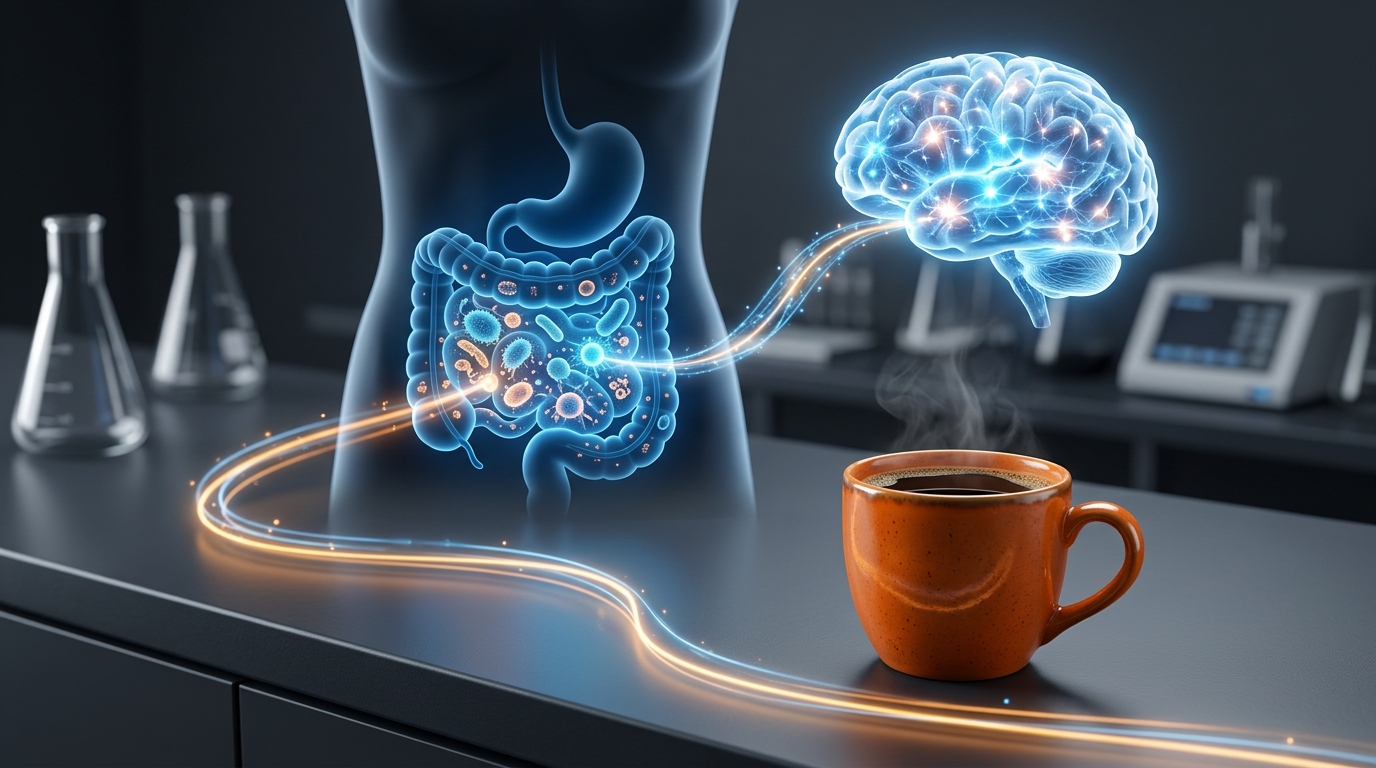
This stunning visual perfectly captures current scientific curiosity. In fact, according to a 2026 Nature Communications report, research is actively investigating the microbiota-gut-brain axis. Scientists desperately want to determine if coffee’s cognitive and physiological effects are mediated by its interaction with the gut microbiome.
Conclusion: A Toast to Your Coffee Gut Microbiome
In conclusion, you can finally put your lingering health worries to rest. Does coffee damage your coffee gut microbiome? The resounding, science-backed answer is absolutely not! As long as you consume it in moderation, coffee is a wonderful, protective ally for your digestive system.
From improving intestinal motility to boosting beneficial bacteria like Lawsonibacter asaccharolyticus, your daily brew does absolute wonders. Remember to always enjoy your coffee mindfully. Pair your morning cup with a healthy, fiber-rich snack. Then, switch to a soothing decaf in the afternoon to protect your nightly sleep cycle.
Are you ready to elevate your home brewing routine today? Please share your absolute favorite gut-friendly coffee and snack combos in the comments below. Let us continue building our cozy, passionate community of healthy, happy coffee lovers!
Frequently Asked Questions
Does decaffeinated coffee still help my gut?
Yes, absolutely! Both caffeinated and decaffeinated coffee actively stimulate intestinal motility. Furthermore, decaf still contains those healthy polyphenols that feed your good bacteria. Therefore, it is a perfect choice for your afternoon coffee break.
How many cups of coffee are safe for gastrointestinal health?
Generally, sticking to two or three cups daily is ideal for most adults. According to 2026 data, consuming more than five cups daily is linked to increased risks for GERD and other digestive issues. Therefore, moderation is always essential.
What is the best snack combo for morning coffee?
Pairing your morning coffee with fiber-rich snacks is highly recommended. Excellent options include oatmeal, a banana, or almond butter on sourdough toast. Consequently, these foods help protect your stomach lining while feeding your coffee gut microbiome.
What is the microbiota-gut-brain axis?
The microbiota-gut-brain axis is the physical and chemical connection between your digestive system and your brain. Interestingly, current 2026 research is exploring how coffee impacts this axis. Scientists believe beneficial gut bacteria might actually enhance coffee’s brain-boosting effects.